Gathering bio, albums and tour dates…

Upcoming concerts
No concerts announced. Track Muddy Waters and they'll show up in My concerts as soon as they're announced.
Find Muddy Waters tickets
Prices and fees differ between sellers. Each opens in a new tab.
- Ticketmaster ↗Official tickets
- Vivid Seats ↗Resale
- StubHub ↗Resale
- SeatGeek ↗Resale
- TickPick ↗No buyer fees
- TicketNetwork ↗Resale
- Ticket Liquidator ↗Sold-out shows
- Gametime ↗Last minute
zaboomba may earn a commission when you buy through these links. It doesn't change the price you pay.
About
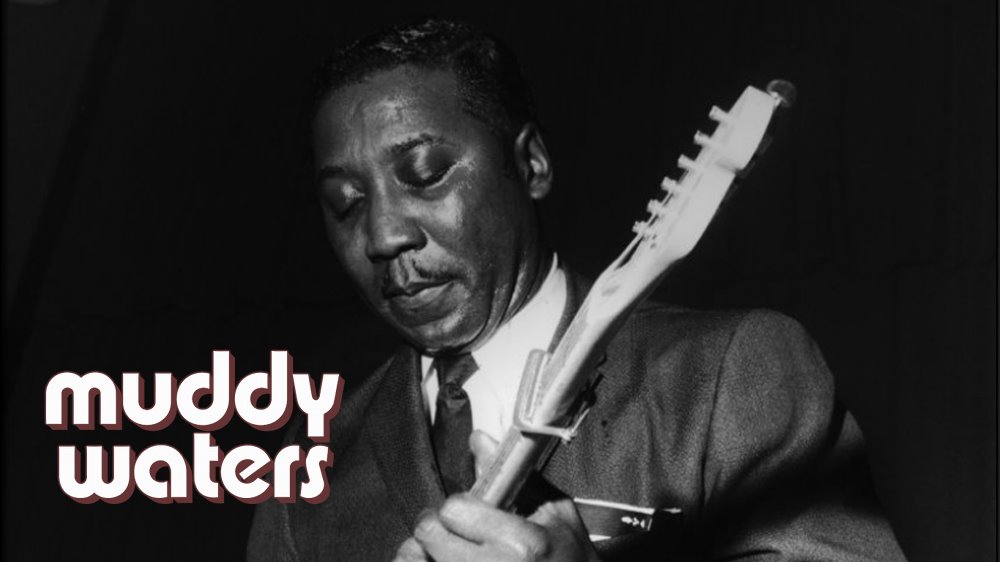
MUDDY WATERS - APRIL 4, 1913 - APRIL 30, 1983 Anyone who's followed the course of modern popular music is aware of the vast influence exerted on its development by the large numbers of blues artists who collectively shaped and defined the approach to amplified music in the late 1940s and early '50s. Chicago was the pivotal point for the development and dissemination of the modern blues and virtually everything else has flowed, in one way or another, from this rich source.
The revolution began inauspiciously enough in 1948 with the release of a 78-rpm single by a singer-guitarist called Muddy Waters. Coupled on Aristocrat 1305 were a pair of traditional Mississippi Delta-styled pieces "I Cant Be Satisfied" and "I Feel Like Going Home," and on them Waters' dark, majestic singing. Waters' use of amplification gave his guitar playing a new, powerful, striking edge and sonority that introduced to traditional music a sound its listeners found very exciting, comfortably familiar yet strangely compelling and, above all, immensely powerful, urgent.
From the start it was he who dominated the music, who led the way-in style, sound, repertoire, instrumentation, in every way-first as a greatly popular club performer from the mid-1940s on and, a few years later, as the most influential recording artist in the new amplified blues idiom. In the years 1948-55 he put forth for definition the fundamental approaches and usages of modern blues in a remarkable series of ground-breaking and, as time has shown, classic records. In the years since, the style Waters delineated has been extended, fragmented, elaborated and otherwise commercialized, but the fundamental earthy, vital, powerful sound of the postwar blues as defined by Muddy and his bandsmen has yet to be excelled-or even equaled, come to that. It's no accident The Rolling Stones chose their name from one of Waters' finest early recordings the choice was merely prophetic, for Muddy and his magnificent bedrock music continue to resonate as thrillingly and powerfully through the music of today as they did back in the late '40s and early '50s when we first heard them.
He was born McKinley Morganfield-Muddy Waters is a nickname given him in childhood-in the tiny hamlet of Rolling Fork, Mississippi, on April 4, 1913, but from the age of three, when his mother died, was raised by his maternal grandmother in Clarksdale, a small town one hundred miles to the north.
It is scarcely surprising then that the Delta region has nurtured a tradition of blues singing and playing that reflects the harsh, brutal life there, a music shot through with all the agonized tension, bitterness, stark power and raw passion of life lived at or near the brink of despair. Poised between life and death, the Delta bluesman gave vent to his terror, frustration, rage and passionate humanity in a music that was taut with dark, brooding force and spellbinding intensity that was jagged, harsh, raw as an open wound and profoundly, inexorably, moving. The great Delta blues musicians-Charley Patton, Son House, Tommy Johnson and, especially in Waters' case, the brilliant, tortured Robert Johnson-sang with a naked force, majesty and total conviction that make their music timeless and universal in its power to touch and move us deeply.
Growing to manhood there, in the very heart of the region that had spawned this magnificent music, Waters was drawn early to its stark, telling, expressive power. He had been working as a farm laborer for several years when at thirteen he took up the harmonica, the instrument on which many blues performers first master the music's rudiments. Four years later he made the switch to guitar. "You see, I was digging Son House and Robert Johnson." The two were the undisputed masters of the region's characteristic "bottleneck" style of guitar accompaniment. With this technique the Delta bluesman could utilize the guitar as a perfect extension of his voice, the sliding bottleneck matching the dips, slurs, sliding notes and all the tonal ambiguity of the voice as it is used in singing the blues.
Biography: TheAudioDB
Albums
Live the Life
2008

King Bee
1981
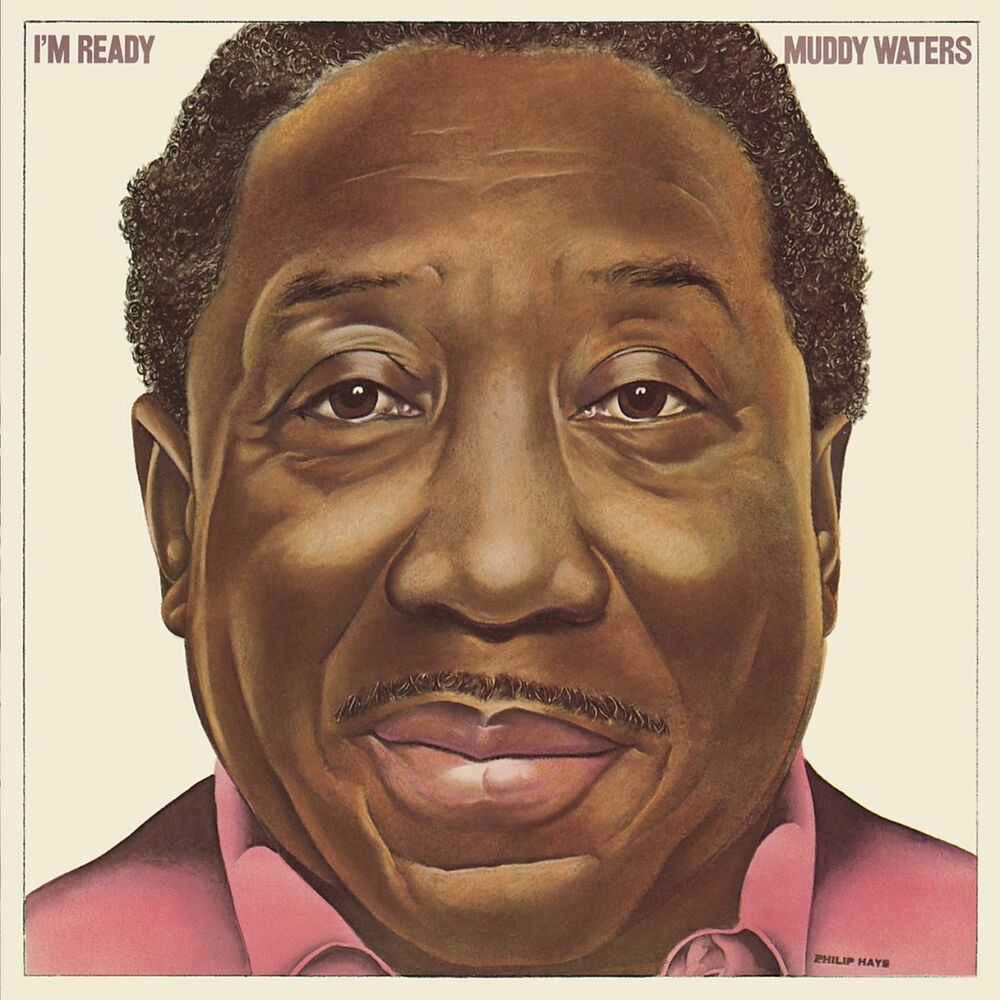
I’m Ready
1978
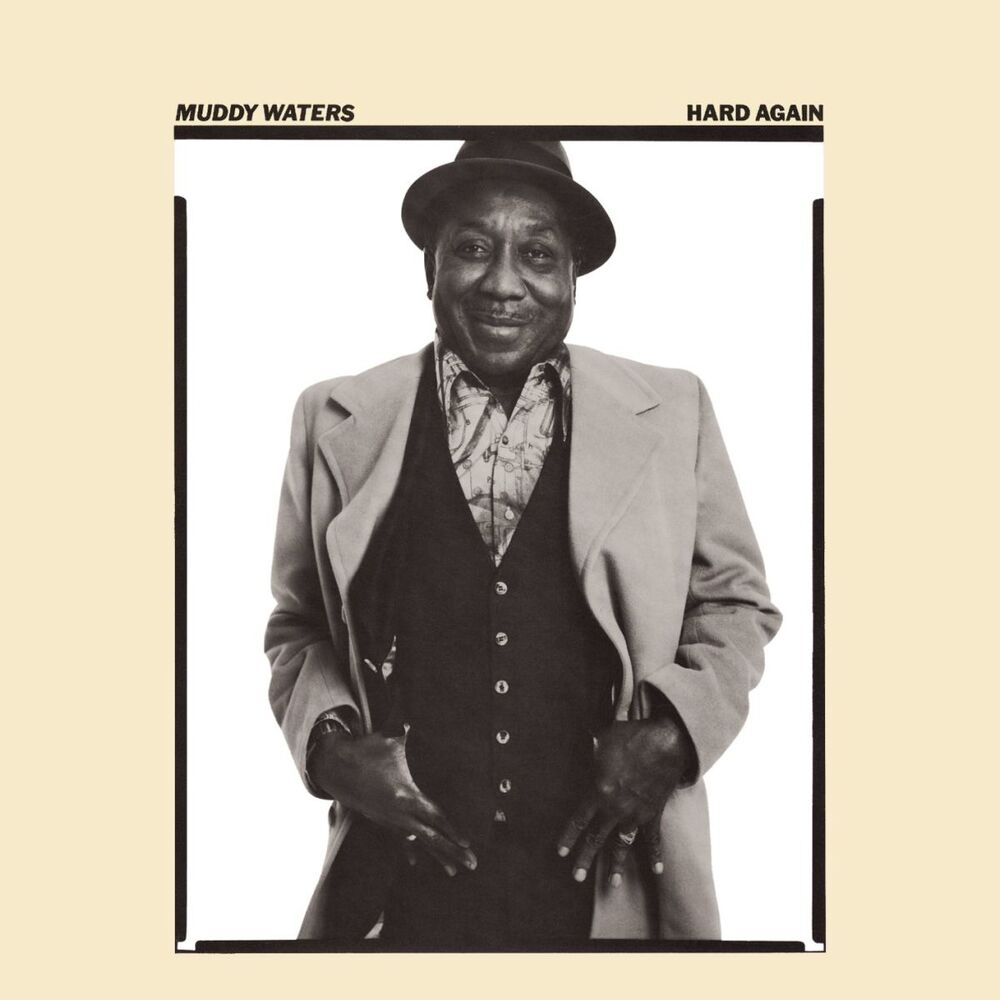
Hard Again
1977
The Muddy Waters Woodstock Album
1975
London Revisited
1974
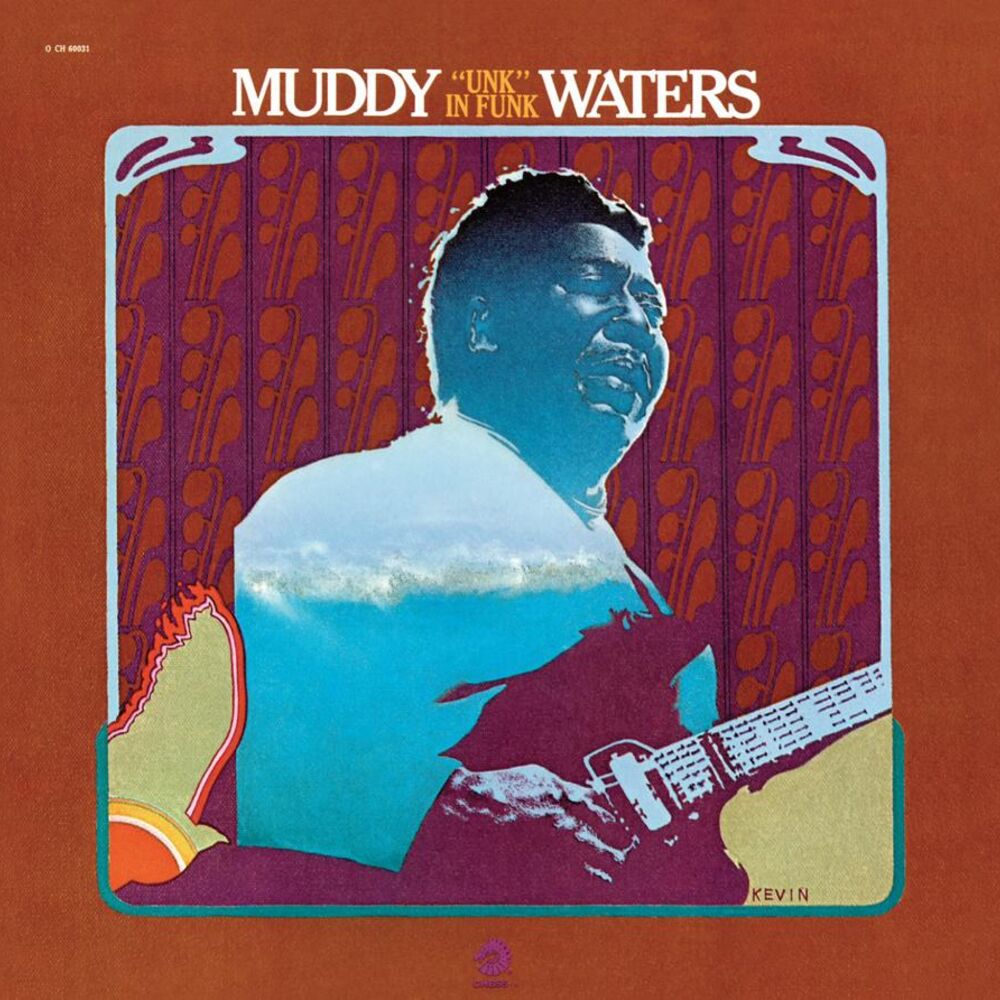
“Unk” in Funk
1974
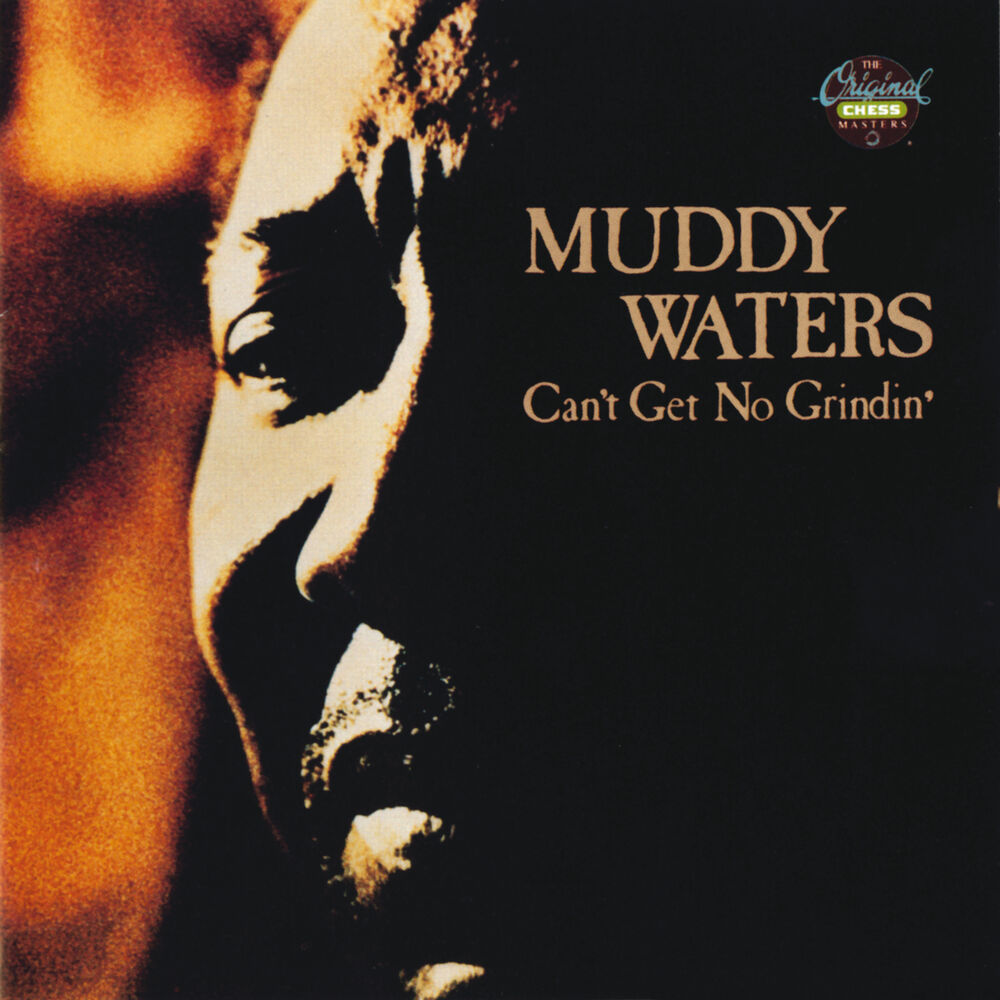
Can’t Get No Grindin’
1973
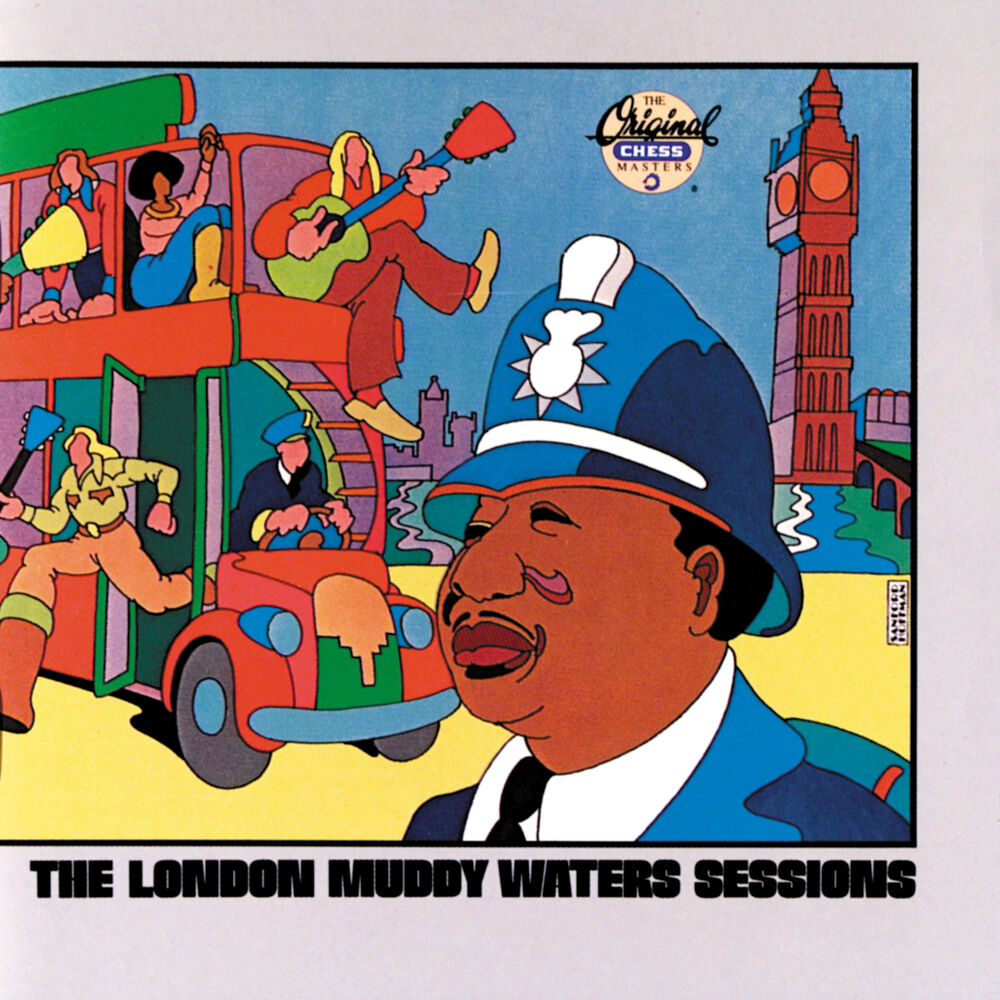
The London Muddy Waters Sessions
1972
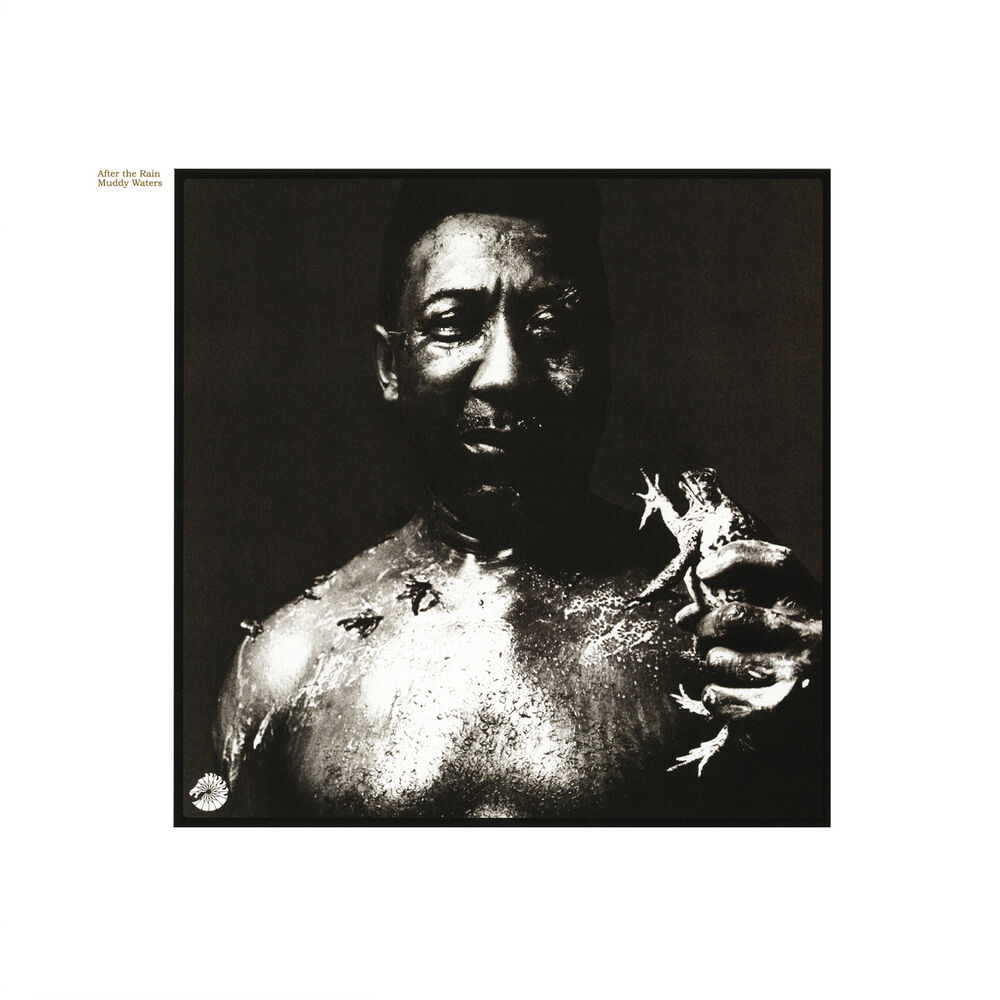
After the Rain
1969
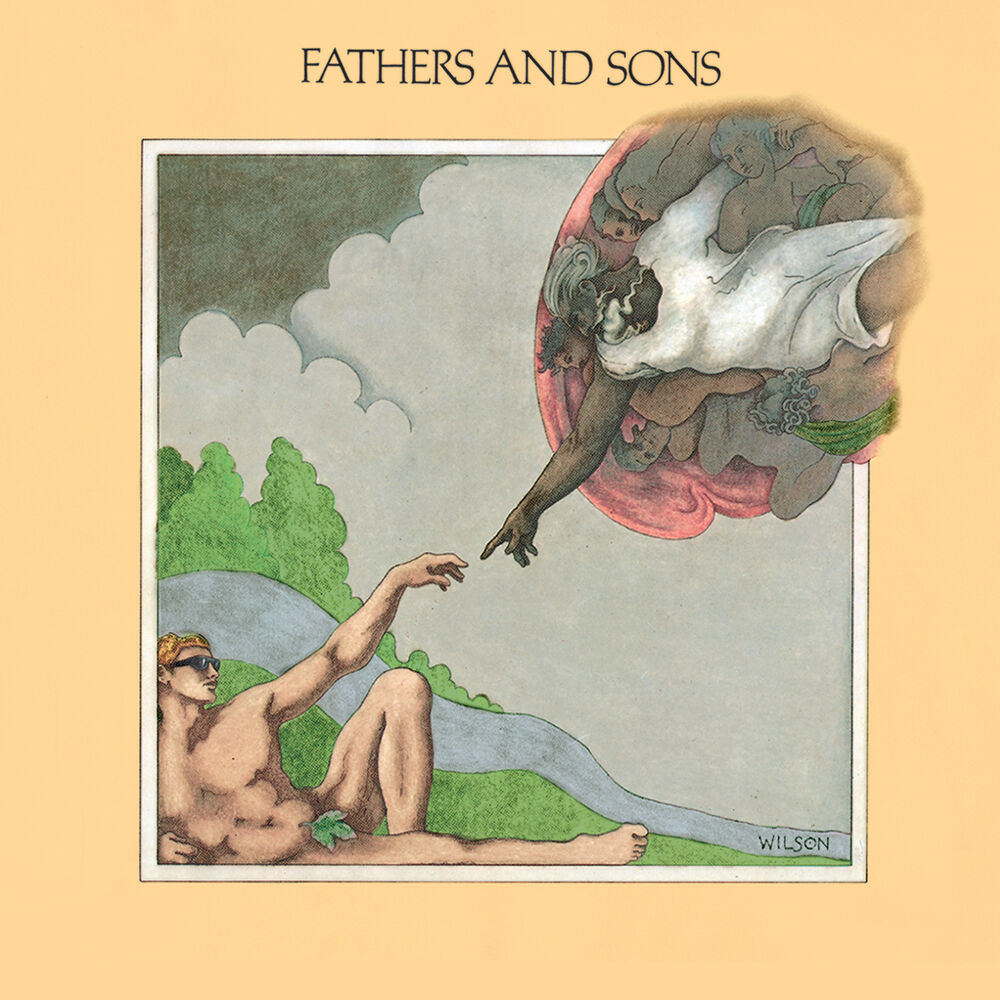
Fathers and Sons
1969
Electric Mud
1968
Super Blues
1967
The Super Super Blues Band
1967
Down on Stovall’s Plantation
1966
Muddy, Brass and the Blues
1966
Folk Singer
1964
Muddy Waters Sings Big Bill Broonzy
1960
Blues Legend
Muddy Waters
Discography: MusicBrainz. Cover art: iTunes, Deezer & Cover Art Archive.