Gathering bio, albums and tour dates…


Upcoming concerts
No concerts announced. Track Jimmy Cliff and they'll show up in My concerts as soon as they're announced.
Find Jimmy Cliff tickets
Prices and fees differ between sellers. Each opens in a new tab.
- Ticketmaster ↗Official tickets
- Vivid Seats ↗Resale
- StubHub ↗Resale
- SeatGeek ↗Resale
- TickPick ↗No buyer fees
- TicketNetwork ↗Resale
- Ticket Liquidator ↗Sold-out shows
- Gametime ↗Last minute
zaboomba may earn a commission when you buy through these links. It doesn't change the price you pay.
About
Jimmy Cliff OM (Jamaican Order of Merit) (born James Chambers in St. Catherine, Jamaica, on 1 April 1948; died 24 November 2025) was a Jamaican reggae musician remembered for songs like "Sittin' in Limbo", "You Can Get It If You Really Want," "Many Rivers to Cross" and the title track from "The Harder They Come", a film soundtrack which helped popularise reggae across the world. At the time of his death, he was the only living reggae musician to hold the Order of Merit, the highest honour that can be granted by the Jamaican government for achievements in the arts and sciences. He was inducted into the Rock and Roll Hall of Fame in 2010.
Cliff moved to Kingston in 1962. After he released two singles that failed to make much of an impression, his career took off when his "Hurricane Hattie" became a hit, while he was aged just 14; it was produced by Leslie Kong, with whom Cliff would remain until Kong's death. Later local hit singles included "King of Kings", "Dearest Beverley" and "Pride and Passion". In 1964, Cliff was chosen as one of the Jamaican representatives at the World's Fair, and Cliff soon signed to Island Records and moved to Britain. Island initially (and unsuccessfully) tried to sell Cliff to the rock audience, but his career took off in the late 1960s. His international debut album was Hard Road to Travel, which received excellent reviews and included "Waterfall", a Brazilian hit that won the International Song Festival.
"Waterfall" was followed in 1969 by "Wonderful World, Beautiful People" and "Vietnam" in 1970, both popular throughout most of the world. Folk rock singer-songwriter Bob Dylan even called "Vietnam" the best protest song he'd ever heard. Wonderful World included a cover of Cat Stevens' "Wild World", which was a success in 1970.
Leslie Kong died of a heart attack in 1971. The soundtrack to the reggae film The Harder They Come was a huge success that sold well across the world, but did not break Cliff into the mainstream. After a series of albums, Cliff took a break and traveled to Africa, exploring his newfound Muslim spirituality. He quickly returned to music, touring for several years before he recorded with Kool & the Gang for Power & the Glory (1983). (During the 1981 River Tour, Bruce Springsteen and the E Street Band added Cliff's little-known "Trapped" to their live set; it achieved great prominence when included on 1985's We Are the World benefit album.) The follow-up, Cliff Hanger (1985) won a Grammy Award, though it was his last major success in the U.S. until 1993. He continued to sell well in Jamaica and, to a lesser extent, the UK, returning to the mainstream pop charts in the U.S. and elsewhere with a version of Johnny Nash's "I Can See Clearly Now" on the Cool Runnings film soundtrack in 1993 .
In 2002, Cliff released his album, Fantastic Plastic People in Europe, after first providing free downloads using Delacove's People Music Media p2p software. This album featured collaborations with Joe Strummer, Annie Lennox, and Sting as well as new songs that were very reminiscent of Cliff's original hits. In 2004 Cliff completely reworked the songs, dropping the traditional reggae in favor of an electronica sound, for inclusion in Black Magic.
Cliff also covered the famous African song "The Lion Sleeps Tonight".
Biography: TheAudioDB
Albums
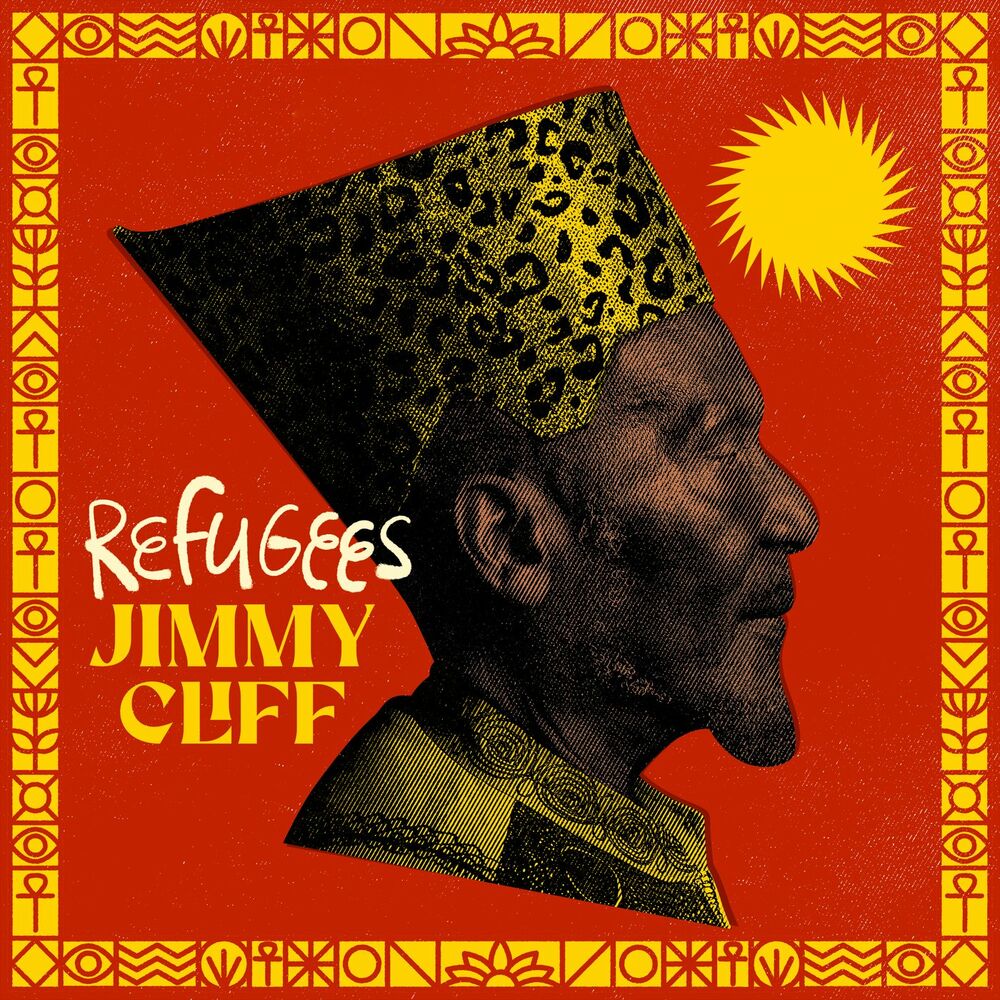
Refugees
2022
Rebirth
2012
Black Magic
2004
Sunshine in the Music
2003
Fantastic Plastic People
2002
Steppin’ Out of Limbo
2002
Classic Jimmy Cliff
2001
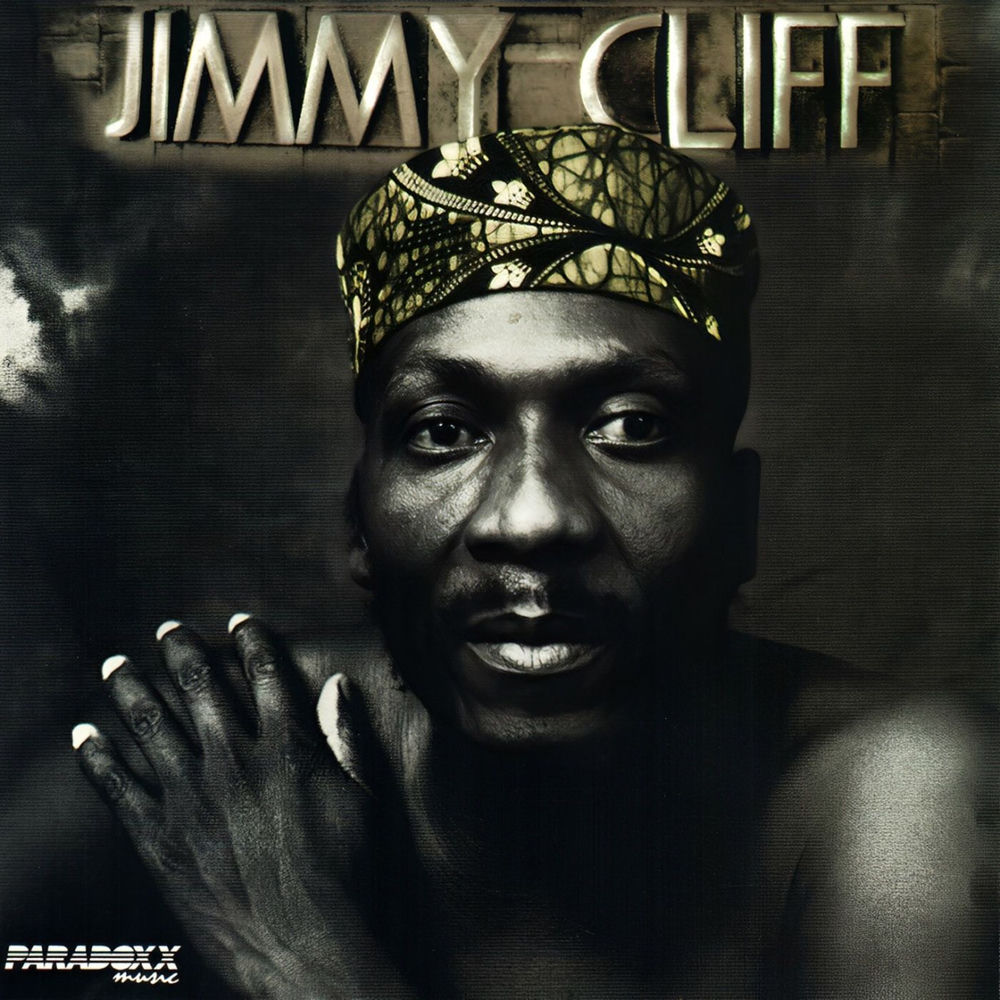
Jimmy Cliff
2001
Humanitarian
1999
Journey of a Lifetime
1998
Higher & Higher
1996
Shout for Freedom
1996
Many Rivers to Cross
1995
The Cool Runner Live in London
1995
House of Exile
1994
Breakout
1992

Images
1989
Save Our Planet Earth
1989
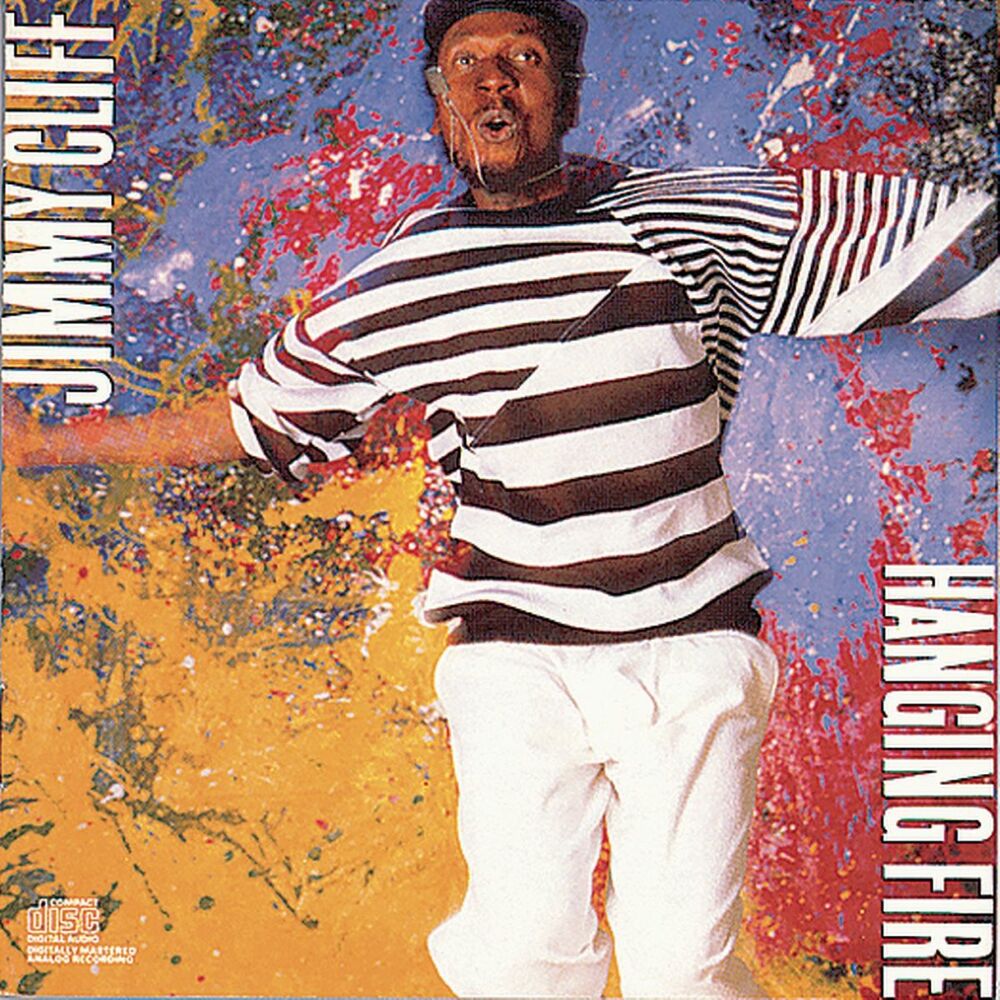
Hanging Fire
1987
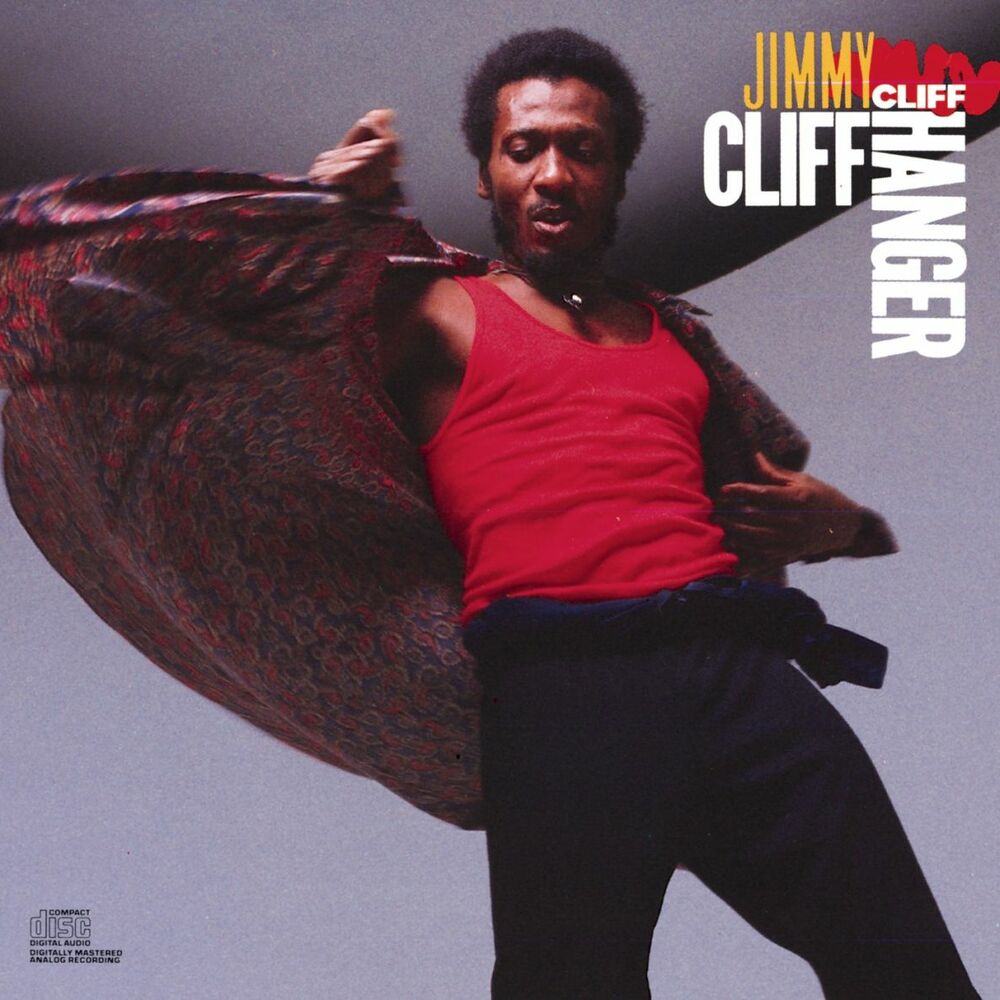
Cliff Hanger
1985
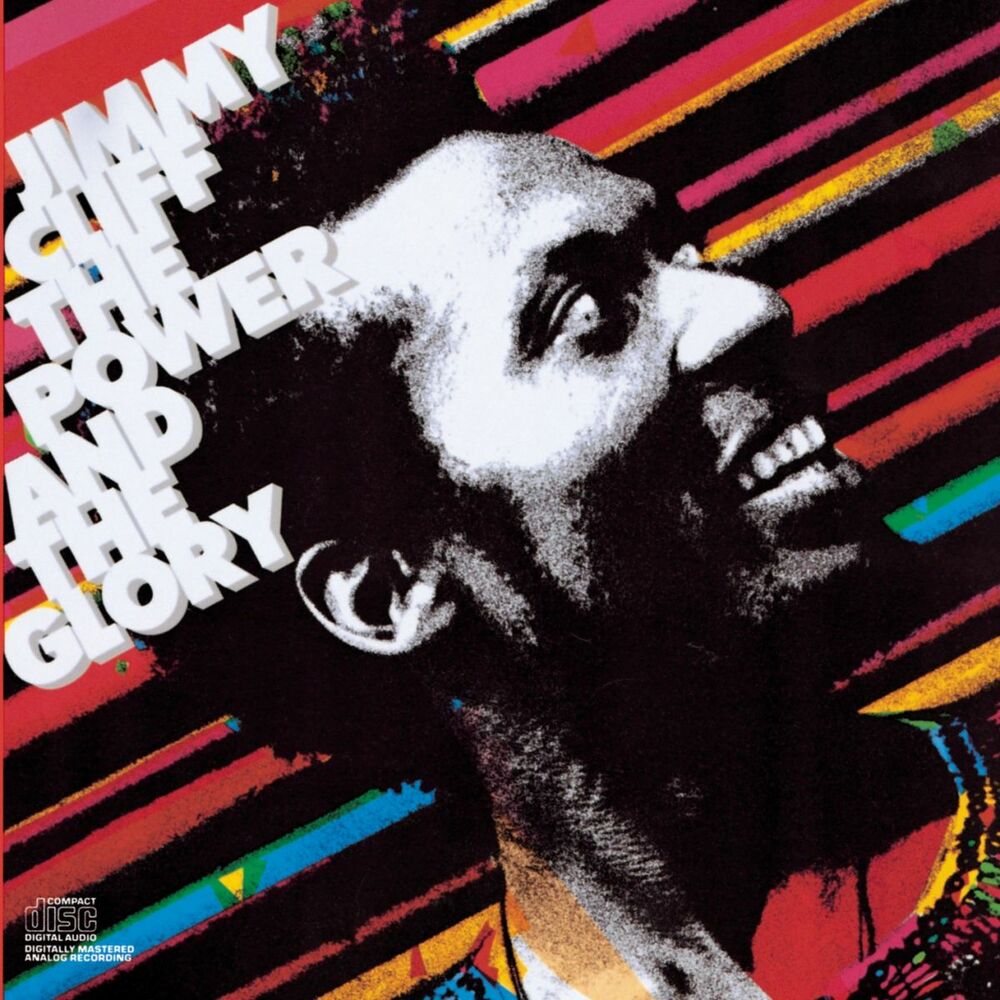
The Power and the Glory
1983
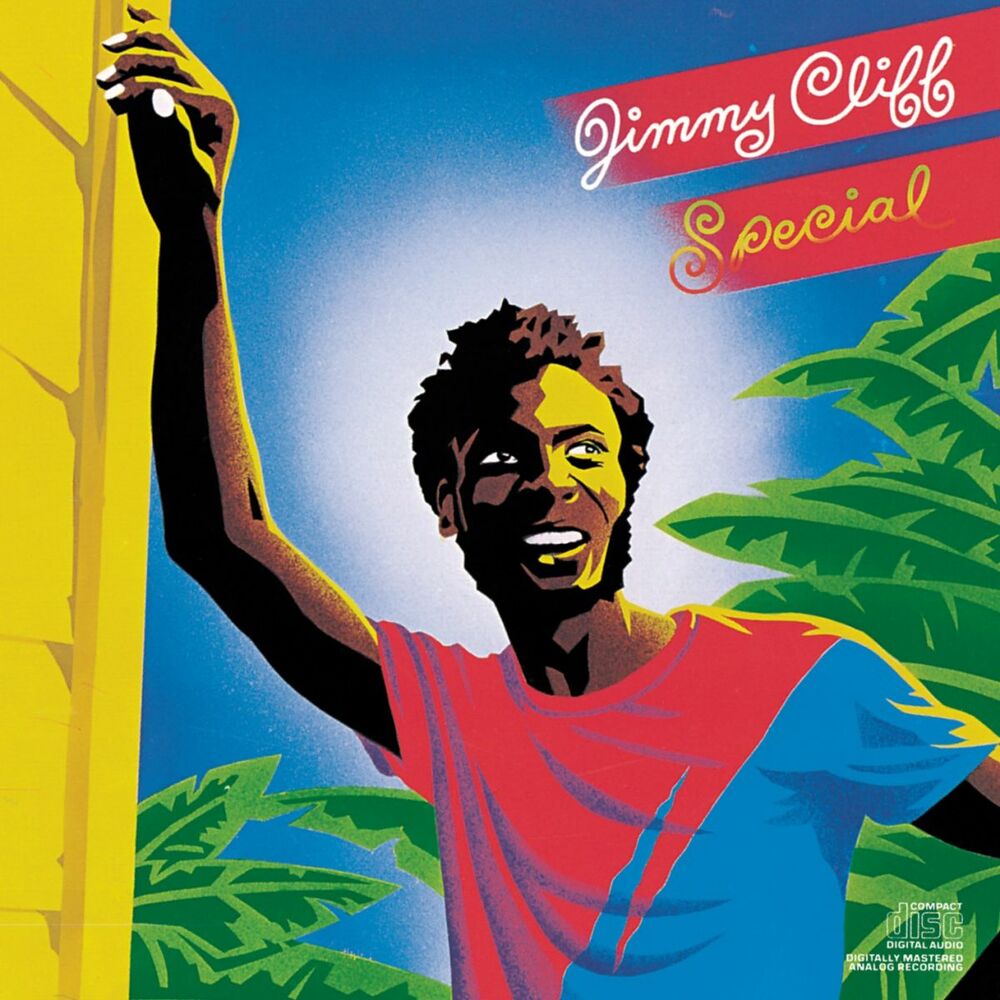
Special
1982
Give the People What They Want
1981
I Am the Living
1980
Give Thankx
1978

Follow My Mind
1976
Brave Warrior
1975

Music Maker
1974
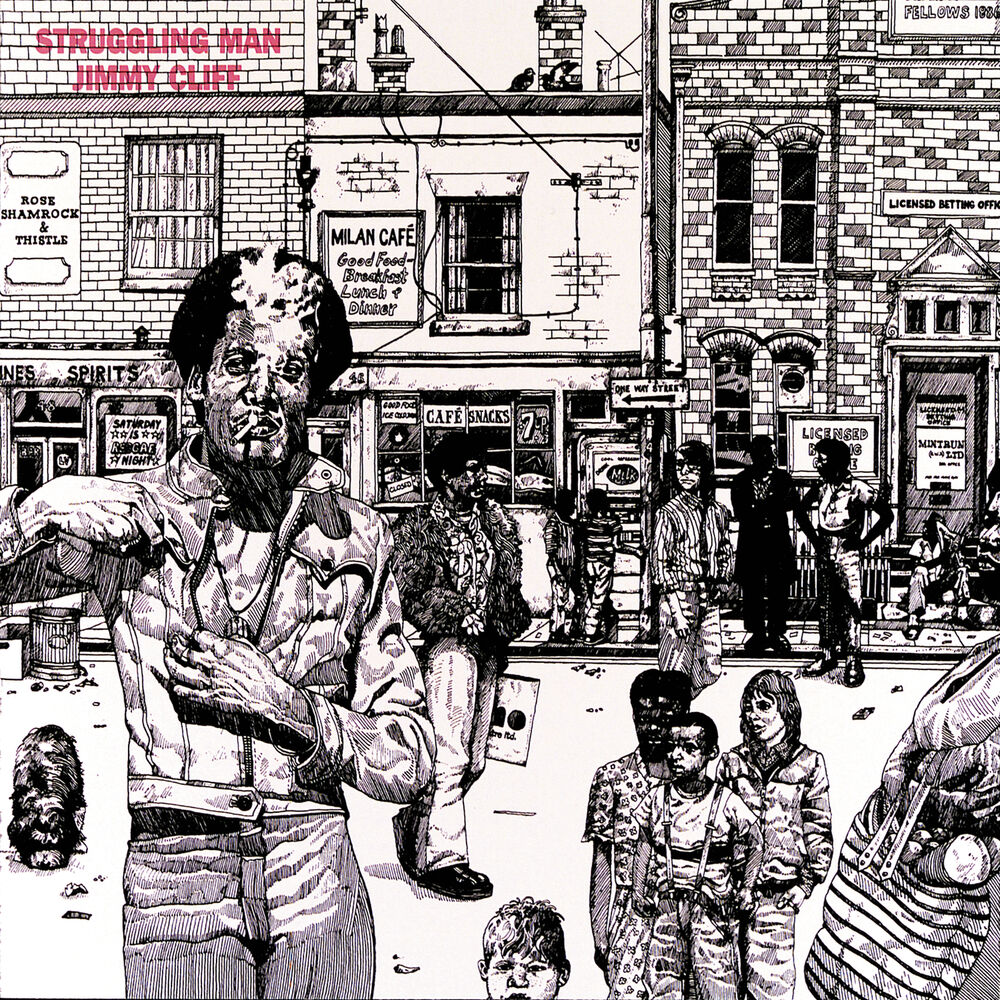
Struggling Man
1973
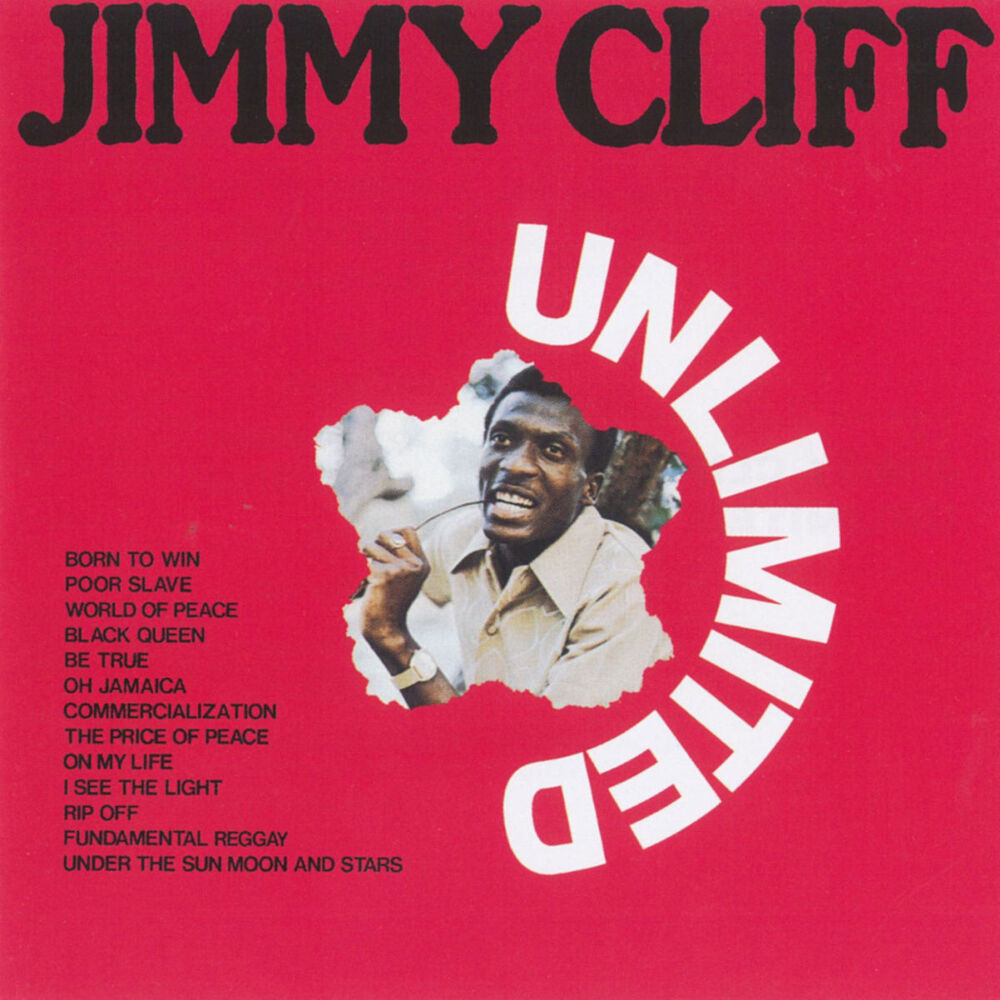
Unlimited
1973
Another Cycle
1971

Goodbye Yesterday
1971
Wild World
1971
Jimmy Cliff / Wonderful World, Beautiful People
1969
Hard Road to Travel
1967
Discography: MusicBrainz. Cover art: iTunes, Deezer & Cover Art Archive.