Gathering bio, albums and tour dates…

Upcoming concerts
No concerts announced. Track Кино and they'll show up in My concerts as soon as they're announced.
Find Кино tickets
Prices and fees differ between sellers. Each opens in a new tab.
- Ticketmaster ↗Official tickets
- Vivid Seats ↗Resale
- StubHub ↗Resale
- SeatGeek ↗Resale
- TickPick ↗No buyer fees
- TicketNetwork ↗Resale
- Ticket Liquidator ↗Sold-out shows
- Gametime ↗Last minute
zaboomba may earn a commission when you buy through these links. It doesn't change the price you pay.
About
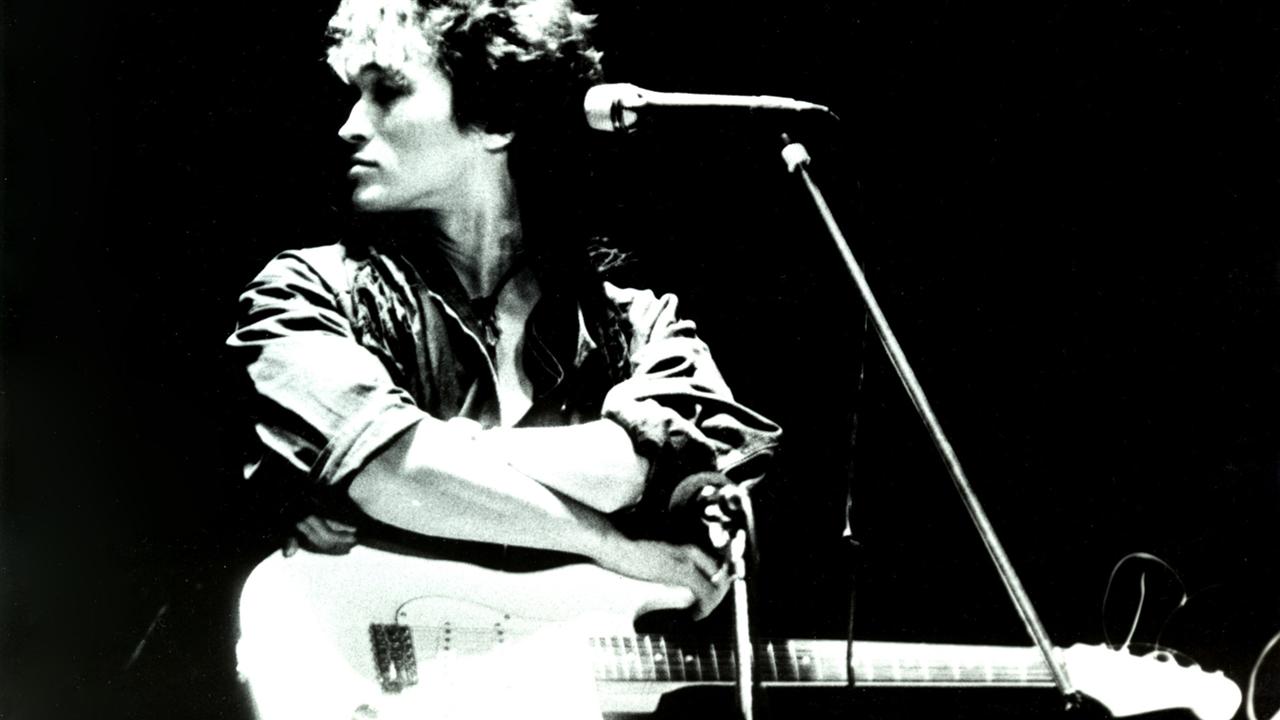
Kino (Russian: Кино́ "film", also "cinema", often written uppercase, КИНО; pronounced kiˈno) was an iconic Soviet post-punk band headed by Viktor Tsoi. It was one of the most famous rock groups in the Soviet Union.
History:
Early years: Kino was formed in 1981 by the members of two earlier groups from Leningrad (now Saint Petersburg), Palata No. 6 and Piligrim. They initially called themselves Garin i Giperboloidy after Tolstoi's novel The Hyperboloid of Engineer Garin. The group consisted of Viktor Tsoi, guitarist Aleksei Rybin, and drummer Oleg Valinskiy. They began rehearsing, but Valinskiy was drafted and had to leave the band. In the spring of 1982, they began to perform at the Leningrad Rock Club and met with the influential underground musician Boris Grebenshikov. It was around this time they finally changed the band's name to Kino. The name was chosen because it was considered short and "synthetic," and the band members took pride in that it had only two syllables and was easy to pronounce by speakers all over the world. Tsoi and Rybin said later that they had got the idea for the name itself after having seen a bright cinema sign.
45 and the beginning of a career (1982): Kino released their debut album, 45, in 1982. Since the band only consisted of two members, Grebenshikov suggested that members of his band Aquarium assist the band in recording the album. These included cellist Vsevolod Gakkel, flutist Andrei Romanov, and bassist Michael Feinstein-Vasilev. Since there was no drummer, they used a drum machine instead. This simple composition made the album sound lively and bright. Lyrically, it resembled earlier Soviet bard music for its romanticism of city life and the use of poetic language. The album consisted of thirteen songs and was named 45 in reference to its length. The group's popularity was rather limited at the time, so the album was not considered much of a success, and Tsoi stated later that the record had come out crudely and he should have recorded it differently.
In between (late 1982-1984): In late 1982, Kino attempted to record a second album at the studio of the Maly Drama Theatre, along with drummer Valery Kirillov (who later joined Zoopark) and sound designer Andrew Kuskov. However, Tsoi lost interest in the project and they ceased recording. In the winter of 1983, they played several shows in Leningrad and Moscow, and were sometimes accompanied by Aquarium drummer Peter Troschenkov. Rybin was replaced by rehearsal bassist Maxim Kolosov and later, guitarist Yuri Kasparian. According to Grebenshikov, Kasparyan was a poor guitar player initially, but he quickly progressed and eventually became the second most important member of Kino. With Kolosov and Kasparyan, Kino performed their second concert at the Leningrad Rock Club. The band's responsibilities were split evenly between Tsoi and Rybin. Tsoi was in charge of the creative component, writing music and lyrics, while Rybin did all the administrative work, such as organizing concerts, rehearsals and recording sessions. In March 1983, a serious conflict broke out between them, the culmination of multiple differences between the two musicians. Tsoi was particularly annoyed that Rybin performed his songs, and not his own writing, while Rybin didn't like Tsoi's unconditional leadership of the group. Eventually, the two stopped talking, and Rybin left the band. The only audio document from this period was a bootleg called 46, which consisted of demos of new songs by Tsoi. These songs continued with the romanticism of 45, but also had darker undertones. Tsoi dismissed the recording as "only a rehearsal tape," but many fans viewed it as Kino's second record. Nonetheless, it has never been recognized as a legitimate album by the band.
Nachalnik kamchatki and growing fame (1984-1985): In 1984, Kino released their sophomore album, Nachalnik kamchatki (Russian: Начальник Камчатки.) The title was inspired by Tsoi's job as a boiler plant operator ("nachalnik" means 'master' or 'commander,' and "kamchatka" is slang for 'boiler plant'), as well as a reference to the 1967 Soviet comedy Nachalnik Chukotki (Russian: Начальник Чукотки). Again, Grebenshikov served as a producer and brought many of his friends to help with the record. Among them were Alexander Titov (bass guitar), Sergey Kuriokhin (keyboards), Peter Troschenkov (drums), Vsevolod Gakkel (cello), Igor Butman (sax), and Andrew Radchenko (drums). Grebenshikov himself played a small keyboard instrument. The album was minimalist in style, with sparse arrangements and usage of fuzz effects on Kasparyan's guitar. "The album was electric and somewhat experimental in sound and form. I cannot say that the sound and style orientation turned out the way we'd like to see it, but from the point of view of the experiment, it looked interesting," said Tsoi later. After the album was finished, Tsoi formed the electric section of Kino, which included Kasparian on lead guitar, Titov on bass guitar, and Gurianov on percussion, and in May 1984, they began to actively rehearse a new concert program. Kino then performed at II Festival at the Leningrad Rock Club, where they were highly acclaimed and began to take off in popularity. The group soon became famous and started to tour the Soviet Union. In the summer, they participated in a critically acclaimed joint performance with Aquarium and other bands held in the Moscow suburb of Nikolina Gora under the close supervision of the state security forces.
Biography: TheAudioDB
Albums
Молнии Индры
2025
12-22
2022
Любовь - это не шутка
2020
Чёрный альбом
1990
Звезда по имени Солнце
1989
Последний герой
1989
Группа крови
1988
Старт
1987
Ночь
1986
Это не любовь...
1985
Начальник Камчатки
1984
45
1982
Discography: MusicBrainz. Cover art: iTunes, Deezer & Cover Art Archive.