Gathering bio, albums and tour dates…

Upcoming concerts
No concerts announced. Track Israel Kamakawiwoʻole and they'll show up in My concerts as soon as they're announced.
Find Israel Kamakawiwoʻole tickets
Prices and fees differ between sellers. Each opens in a new tab.
- Ticketmaster ↗Official tickets
- Vivid Seats ↗Resale
- StubHub ↗Resale
- SeatGeek ↗Resale
- TickPick ↗No buyer fees
- TicketNetwork ↗Resale
- Ticket Liquidator ↗Sold-out shows
- Gametime ↗Last minute
zaboomba may earn a commission when you buy through these links. It doesn't change the price you pay.
About
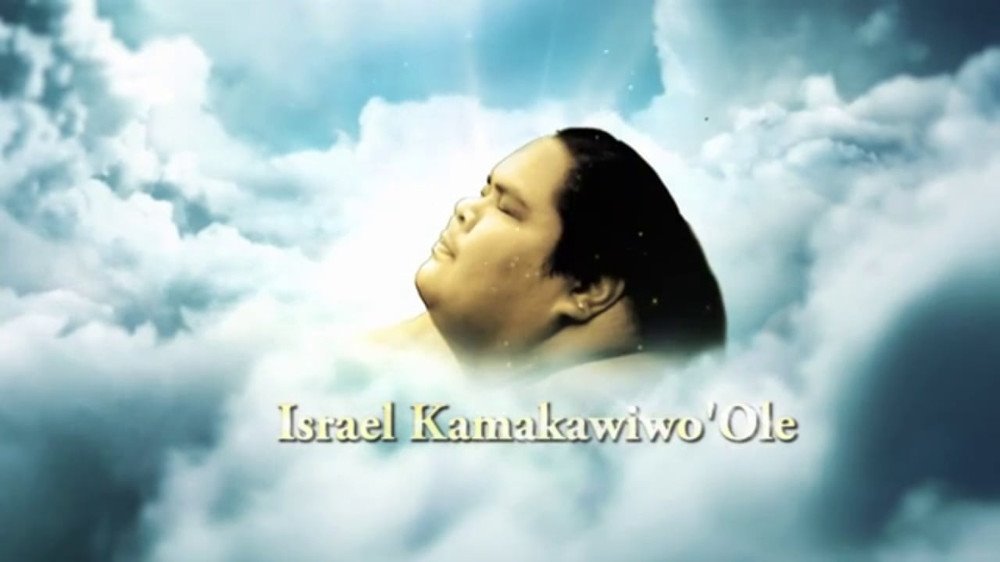
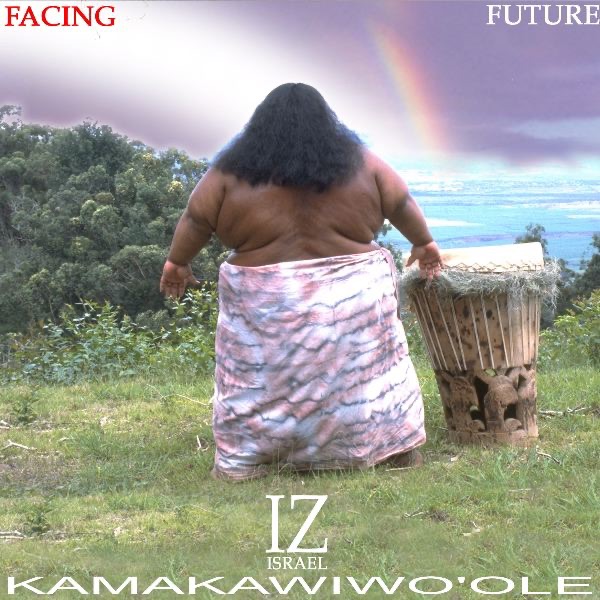
Israel Kamakawiwo’ole was a popular entertainer and singer in Hawai’i until his death at the age of 38 in 1997. He became famous outside Hawaii when his album Facing Future was released in 1993 with his medley of Over The Rainbow / What A Wonderful World. The song has been included in the end of several movies, including Finding Forrester, Meet Joe Black, 50 First Dates and Fred Claus, the TV show Scrubs, as well as the 2002 season finale of the TV series ER, the end of the season finale of Young Americans and in the very last episode in April 2007 of the UK Drama series Life On Mars and now as the intro to BBC series South Pacific. His song “Hawai’i 78” is used as the entrance music when BJ Penn fights in the UFC.
Kamakawiwoʻole was born at Kuakini Hospital in Honolulu to Henry Kaleialoha Naniwa Kamakawiwoʻole, Jr., and Evangeline Leinani Kamakawiwoʻole. The notable Hawaiian musician Moe Keale was his uncle. He was raised in the community of Kaimuki, where his parents had met and married. He began playing music with his older brother Skippy and cousin Allen Thornton at the age of 11, being exposed to the music of Hawaiian entertainers of the time such as Peter Moon, Palani Vaughn, and Don Ho, who frequented the establishment where Kamakawiwoʻole's parents worked. Hawaiian musician Del Beazley spoke of the first time he heard Israel play, when, while playing for a graduation party, the whole room fell silent on hearing him. Israel continued his path as his brother Skippy entered the Army in 1971 and cousin Allen parted ways in 1976 for the mainland.
In his early teens, he studied at Upward Bound (UB) of the University of Hawaii at Hilo and his family moved to Mākaha. There he met Louis "Moon" Kauakahi, Sam Gray, and Jerome Koko. Together with his brother Skippy they formed the Makaha Sons of Niʻihau. A part of the Hawaiian Renaissance, this talented Hawaiian band's blend of contemporary and traditional styles gained in popularity as they toured Hawaii and the continental United States, releasing fifteen successful albums. Israel's aim was to make music that stayed true to the typical sound of traditional Hawaiian music. During that time period the songs that people associated with Hawaii weren't authentic or traditional sounding songs.
The Makaha Sons of Niʻihau recorded No Kristo in 1976 and released four more albums, including Kahea O Keale, Keala, Makaha Sons Of Niʻihau and Mahalo Ke Akua. In 1982, Kamakawiwoʻole's brother, Skippy, died at age 28 of a heart attack related to obesity. In that same year, Kamakawiwoʻole married his childhood sweetheart Marlene. Soon after, they had a daughter whom they named Ceslie-Ann "Wehi".
The group became Hawaii's most popular modern traditional group with breakout albums 1984's Puana Hou Me Ke Aloha and its follow-up, 1986's Hoʻola. Kamakawiwoʻole's last recorded album with the group was 1991's Hoʻoluana. It remains the group's top-selling CD.
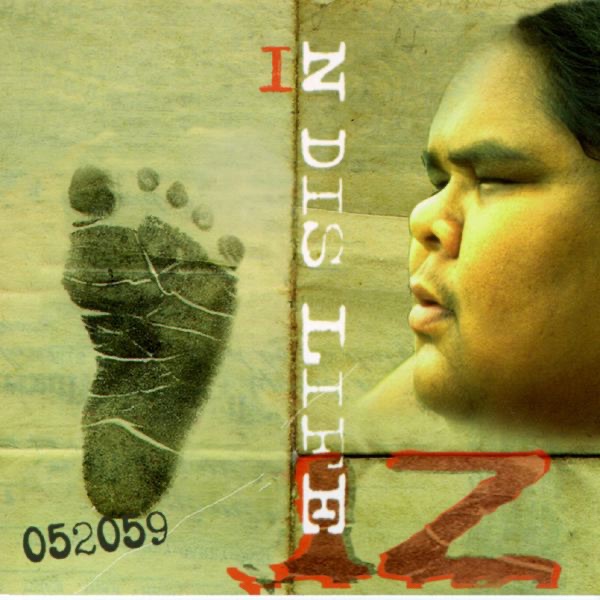
In 1990, Kamakawiwoʻole released his first solo album Ka ʻAnoʻi, which won awards for Contemporary Album of the Year and Male Vocalist of the Year from the Hawaiʻi Academy of Recording Arts (HARA). Facing Future was released in 1993 by The Mountain Apple Company. It featured his most popular song, the medley "Somewhere over the Rainbow/What a Wonderful World", along with "Hawaiʻi 78", "White Sandy Beach of Hawaiʻi", "Maui Hawaiian Sup'pa Man", and "Kaulana Kawaihae". The decision to record a cover of Somewhere Over the Rainbow was said to be a last minute decision by his producer Jon de Mello and him. Facing Future debuted at #25 on Billboard magazine's Top Pop Catalogue chart. On October 26, 2005, Facing Future became Hawaii's first certified platinum album, selling more than a million CDs in the United States, according to figures furnished by the Recording Industry Association of America. On July 21, 2006, BBC Radio 1 announced that "Somewhere Over the Rainbow/What a Wonderful World(True Dreams)" would be released as a single in America.
Biography: TheAudioDB
Albums


Discography: MusicBrainz. Cover art: iTunes, Deezer & Cover Art Archive.